
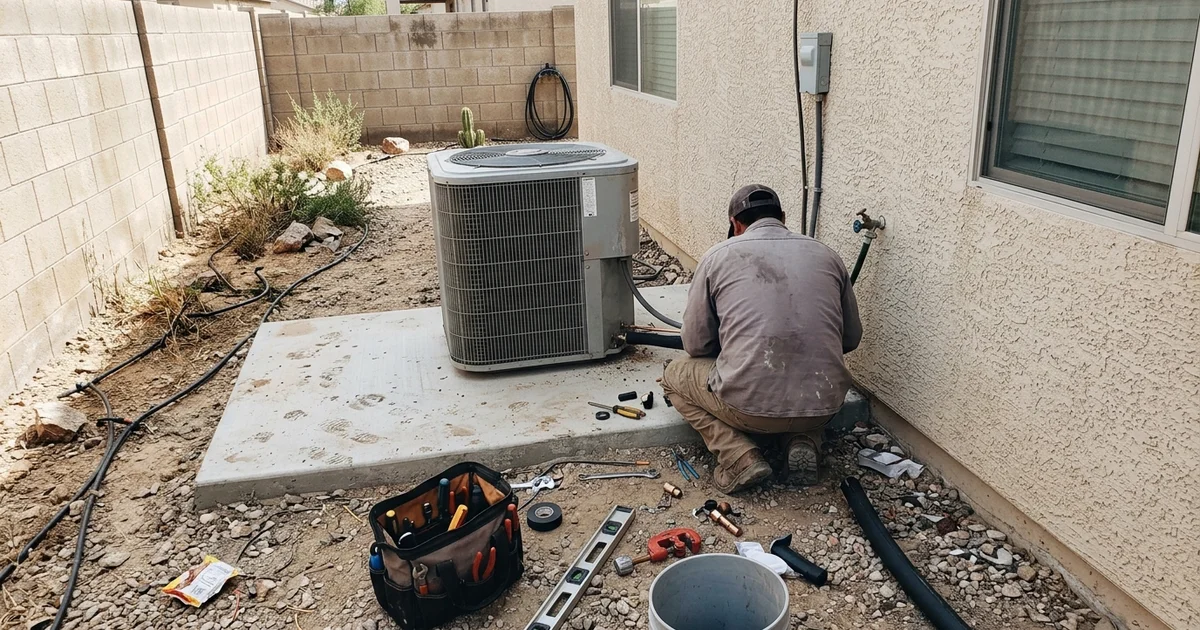
Researching an accurate AC installation cost in Arizona or an AC replacement cost in California often feels like guessing. The lack of transparency in contracting makes planning incredibly difficult. We see this frustration constantly from homeowners across the Southwest.
The reality of 2026 is that vague estimates are useless. Modern systems require precise sizing and strict code compliance to perform correctly. We want to give you the exact figures you need.
A review of the real data explains what drives these prices and explores a few practical ways to respond.
Real Ranges, Not “It Depends”
“It depends” is technically true and practically useless when you are trying to budget for a new HVAC system price. We work with these exact numbers every day.
| Scope | Installed range | What you get |
|---|---|---|
| Standard efficiency changeout | $6,500 - $9,500 | Single-stage, existing ducts sound, straightforward access |
| High efficiency | $9,500 - $14,000 | Two-stage or variable-speed inverter, rebate-eligible tiers |
| Complex replacement | $14,000 - $18,000 | Zoning, dual systems, or duct resizing included |
| Furnace replaced at the same time | Add $3,000 - $6,000 | Saves an entire labor visit versus doing it later |
| Ductless mini split (per zone) | $3,800 - $6,000 | Where ductwork does not exist or does not reach |
These are installed prices covering equipment, labor, removal and disposal of the old system, new pad, disconnect and whip, line set flush or replacement, permit, and full commissioning. Correct sizing is the single largest lever on that final number.
Our experience confirms that manual J load calculations frequently return a smaller system than generic quotes. That size difference translates directly into real money saved. See AC installation service for how that process is sequenced.
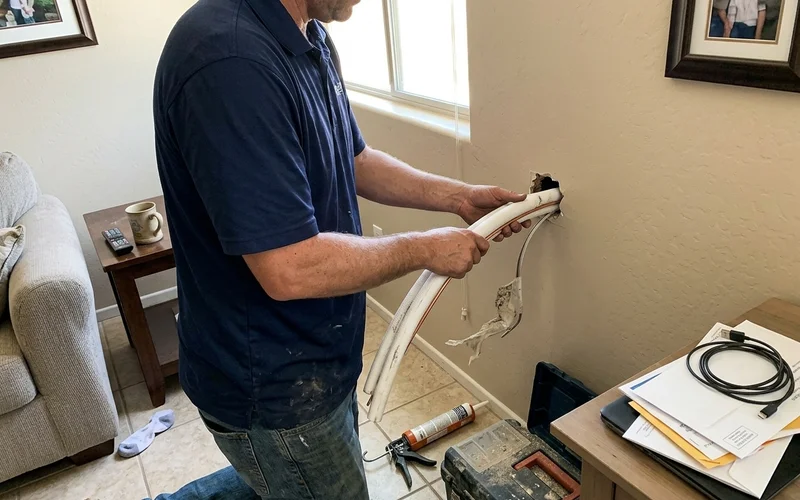
The Five Factors That Drive the Spread
Understanding your central air installation cost requires looking at these specific variables.
Ductwork and Electrical Variables
1. Ductwork condition. The biggest variable after sizing is your existing air distribution. A static pressure test reveals whether the duct system can support new equipment.
We include sealing or resizing in the quote up front if the ducts fail the test, adding $900 to $2,400. Skipping this step produces a new system that underperforms exactly like the old one did.
2. Electrical. Older panels sometimes need a breaker or disconnect upgrade. Our team occasionally recommends a full service assessment for properties built before 1990.
These electrical updates are usually modest, but they can occasionally increase the total cost.
Access, Permits, and Efficiency
3. Permits and compliance. Standard in both states. In California, Title 24 Part 6 duct testing and sealing on a changeout is a mandatory line item.
We schedule certified HERS raters who typically charge $350 to $775 for mandatory duct leakage testing in 2026.
4. Access. A ground level side yard with a clear path is a standard job. A rooftop package unit needing a crane changes the equation entirely.
Labor generally accounts for 25 to 40 percent of the total price, so difficult access affects hours directly.
5. Efficiency tier. The step from a regional minimum 14.3 SEER2 system to a variable speed inverter typically spans $3,000 to $5,000.
This is the one factor entirely within your control once the required capacity is determined. We advise clients to compare long term utility savings against this initial upgrade cost.
What is not driving the spread
Brand differences at equivalent capacity and efficiency are smaller than most people expect. If two quotes differ by five thousand dollars, the explanation is almost never the badge on the cabinet.
Arizona Versus California AC Installation Cost
The same house would cost differently to cool in Gilbert than in Glendale, California. These pricing differences come from highly specific local regulations and climates.
We deal with these state specific hurdles daily across the region.
California Title 24 and Local Rebates
California adds Title 24. Duct leakage testing and sealing on a changeout is completely mandatory.
The 2026 energy code updates mean that HVAC sizing errors are now automatic inspection failures. We must perform accurate load calculations because oversizing your unit is no longer permitted.
California utility territory is fragmented. LADWP, Southern California Edison, Glendale Water and Power, and Burbank Water and Power each run different programs.
Eligibility depends entirely on which meter you have, affecting your net cost meaningfully.
Arizona Climate and Rebate Changes
Arizona loads are larger. Higher design temperatures require larger equipment for the exact same square footage.
Our Arizona installations frequently demand higher cooling capacities, increasing the baseline equipment cost.
Arizona has the Southwest regional minimum. Your starting efficiency tier is automatically above the national floor at 14.3 SEER2.
This regulatory floor raises the base price and narrows the gap to mid tier units. SRP still offers up to $500 in rebates for qualifying 15.2 SEER2 systems in 2026.
We remind homeowners that APS discontinued their residential AC equipment rebates on January 1, 2026. Any quote sheet promising an APS equipment rebate is completely outdated.
Access differs by housing stock. Older Los Angeles housing frequently has constrained equipment placement, historic district considerations, and narrow street access. Arizona tract housing is usually simpler to access.
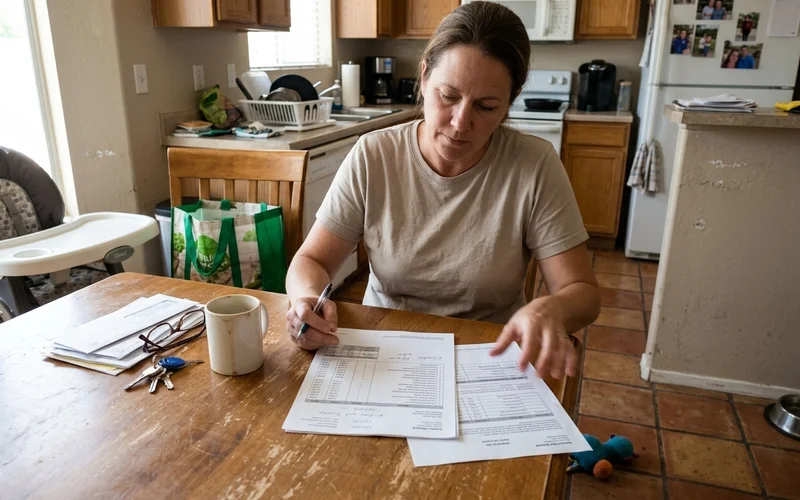
What Is Included in Our Installed Price
Quote comparison only works when the scopes match perfectly. You need to know exactly what goes into a high quality installation.
Our standard scope of work includes essential steps that many budget contractors skip. This comprehensive checklist protects your investment.
- Manual J load calculation before equipment selection
- Removal and disposal of the existing system
- New equipment pad, electrical disconnect and whip
- Line set flushed where sound, replaced where not
- Brazed connections made under flowing nitrogen
- Deep vacuum verified on a micron gauge before charging
- Charge set by subcooling, not by pressure alone
- Static pressure measured and blower speed set to design airflow
- Permit and inspection, including Title 24 documentation in California
- Warranty registration and rebate documentation
If a competing quote is materially cheaper, the useful question is which of these steps it omits.
How to Lower the Number Honestly
Sizing, Sealing, and Timing
Get the sizing right. The most reliable saving available costs nothing to check.
We perform precise load calculations to prevent you from buying an oversized, overpriced unit.
Fix the ducts first if they need it. This seems counterintuitive at first glance.
Sealing and insulating reduces the cooling load, which occasionally allows you to purchase a smaller replacement unit.
Buy in the off season. Planning an installation in October rather than July means the job is scheduled rather than urgent.
Our base rate card remains constant, but scheduled jobs are far easier to optimize for efficiency.
Maximizing Financial Incentives
Stack the incentives. HEEHRA rebates through TECH Clean California offer up to $8,000 for low income households, but funds frequently hit waitlist status.
Rebates and tax credits can move the effective cost of a higher efficiency tier closer to a basic model.
Spread it if that helps. Financing preserves your available cash for other projects.
We offer Financing options through three lenders, with no price difference between financing and paying outright.
For your specific house, TrueQuote AI will give you the real number in a few minutes. This tool provides a more useful starting point than any generic range on a page when finalizing your AC installation cost in Arizona.