
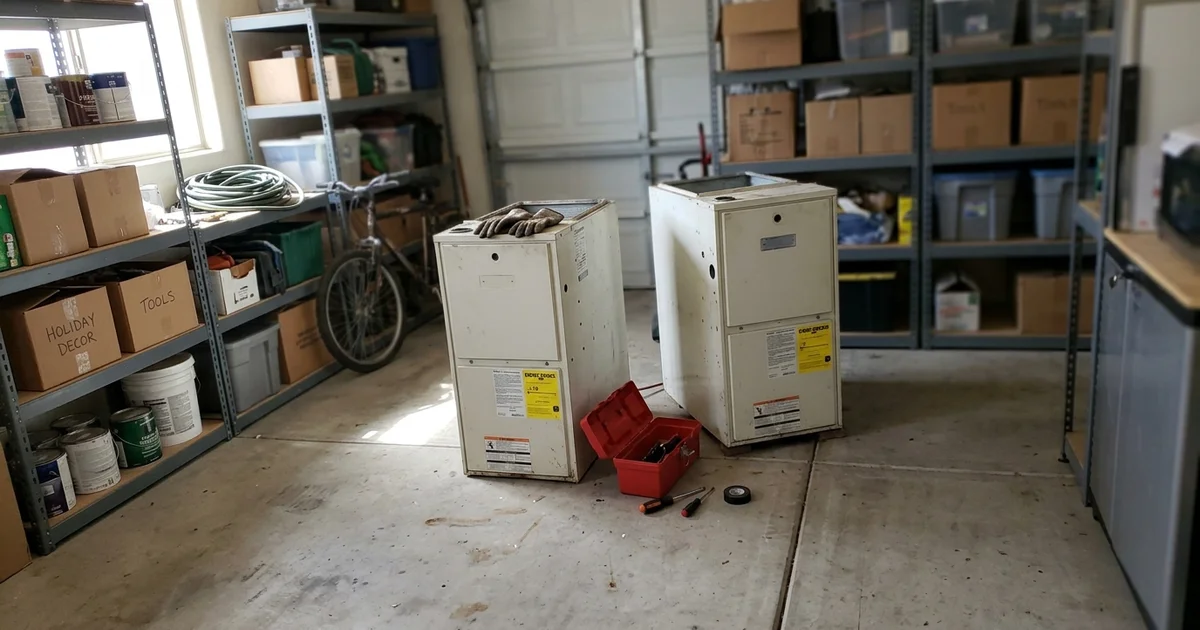
AFUE in One Paragraph
Annual Fuel Utilization Efficiency measures what percentage of the gas you buy actually becomes heat in your house across a heating season. An 80% AFUE furnace turns 80 percent of the fuel into usable heat and sends 20 percent up the flue. A 96% condensing furnace extracts more by condensing water vapor out of the exhaust stream, which is why its flue gases are cool enough to vent through PVC pipe.
Higher is better, in the sense that higher wastes less. Whether higher is worth paying for is a different question entirely, and it is the one this page is actually about.
Whatever tier you land on, furnace installation starts with the actual heating load for your address rather than an assumption.
Why the Answer Is Different Here
AFUE savings scale with runtime. That is the whole thing.
If your furnace runs 1,200 hours a season, the difference between wasting 20 percent and wasting 4 percent is a meaningful sum of money every year. If it runs 150 hours, the same percentage difference applies to a much smaller number, and the arithmetic changes.
| Location | Approximate heating demand | Sensible tier |
|---|---|---|
| Phoenix metro, Gilbert, Chandler, Mesa | Very low, a few weeks | 80% AFUE is usually rational |
| Scottsdale, north-valley elevations | Low, slightly longer | 80%, occasionally mid-tier |
| Coastal and basin California | Low to moderate | Consider a heat pump instead |
| Pasadena, foothill California | Moderate | Mid-tier, or heat pump |
| Palmdale, Antelope Valley | Genuine winter with freeze cycles | Higher AFUE or dual-fuel earns its place |
We talk people out of the higher tier regularly
A Chandler customer was set on a 96% furnace. Running the payback against his actual heating degree days put recovery past twenty years. He put the difference into a better air handler instead, which he benefits from eight months a year rather than six weeks.
The Venting Difference Is a Real Cost
This is where a lot of efficiency comparisons quietly mislead, because they compare equipment prices and stop there.
An 80% AFUE furnace vents hot flue gases through a conventional metal flue, which in a retrofit frequently already exists and can be reused if it is compliant and correctly sized.
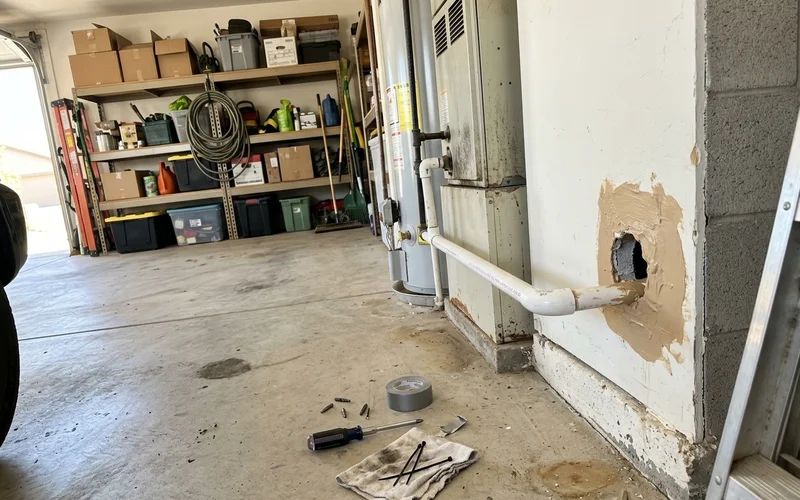
A 96% condensing furnace produces cooler, acidic flue gases and liquid condensate. It requires PVC venting routed to an exterior wall or roof, and a condensate drain routed to an appropriate termination. In a retrofit, that is new penetrations, new pipe, new drainage and additional labor.
Depending on the house, that difference can add a meaningful amount to the installed price, and it lands entirely on the higher-efficiency side of the comparison. Any honest payback calculation includes it.
Where the Higher Tier Does Earn Its Place
- Palmdale and the high desert, where genuine freeze cycles produce real heating hours
- Homes with poor envelopes running much higher heating loads than their neighbours
- New construction, where the venting is being run either way and the marginal cost is small
- Situations where an incentive closes the gap, which happens more with heat pumps than furnaces
- Where you simply want it, which is a legitimate reason as long as you know the payback
The Question Behind the Question
Before choosing between 80% and 96%, it is worth asking whether a gas furnace is the right appliance at all.
A heat pump provides heating and cooling from one system, performs well in the mild winters most of our service area has, and is where the remaining incentive money concentrates. In California, where SCAQMD rules trend against gas appliances and utility incentives favour electrification, it is increasingly the default recommendation.
In Arizona the case is more balanced because gas is inexpensive. But it is genuinely open rather than settled, and heat pump comparison runs the operating cost numbers at regional rates.
If gas is the right answer for your house, an 80% unit venting into a sound existing flue is frequently the rational choice here, and the money saved is better spent on ductwork or a better matched air handler.